Designing for Trust: The Invisible Quality Every Great Space Shares

While great design is often associated with aesthetics, its real value lies in how it makes people feel. A well-designed environment creates confidence, reduces uncertainty and helps people feel comfortable from the moment they arrive.


3 minute read

29th June, 2026 | Remarcable

When we think about trust, we often associate it with people. We trust a business because of its reputation, a healthcare provider because of their expertise, or a company because of the service they deliver. What many people do not realise is that the physical environment plays a significant role in building that trust long before a conversation even begins.


Whether someone is walking into an office, arriving for a dental appointment, or entering a luxury home for the first time, the space immediately begins shaping their perception. Within seconds, they have already formed an impression about the people behind it.


Does this business feel organised? Does this practice feel professional? Does this home feel welcoming? These judgements happen naturally, often without us even noticing.


While great design is often associated with aesthetics, its real value lies in how it makes people feel. A well-designed environment creates confidence, reduces uncertainty and helps people feel comfortable from the moment they arrive.


Why First Impressions Extend Beyond People


Research consistently shows that people form first impressions within moments of entering a new environment. Those impressions are influenced by much more than the people they meet. The layout, lighting, acoustics, cleanliness, furniture, and even the ease of finding your way all contribute to how trustworthy a space feels.


Imagine arriving at two different businesses.


The first has a clear entrance, a welcoming reception, comfortable seating and intuitive wayfinding. The lighting feels warm, conversations are private, and the space appears calm and organised. The second has confusing signage, poor lighting, cluttered walkways, and an awkward reception area where visitors are unsure where to stand or who to speak to.


Both businesses may provide excellent service, but one has already earned the customer's confidence before a word has been spoken. Interior architecture has the power to influence these perceptions in ways that many businesses overlook.


How Design Builds Trust in Different Environments


While every project is unique, the principles of trust remain remarkably consistent across sectors.


  • Commercial Workplaces

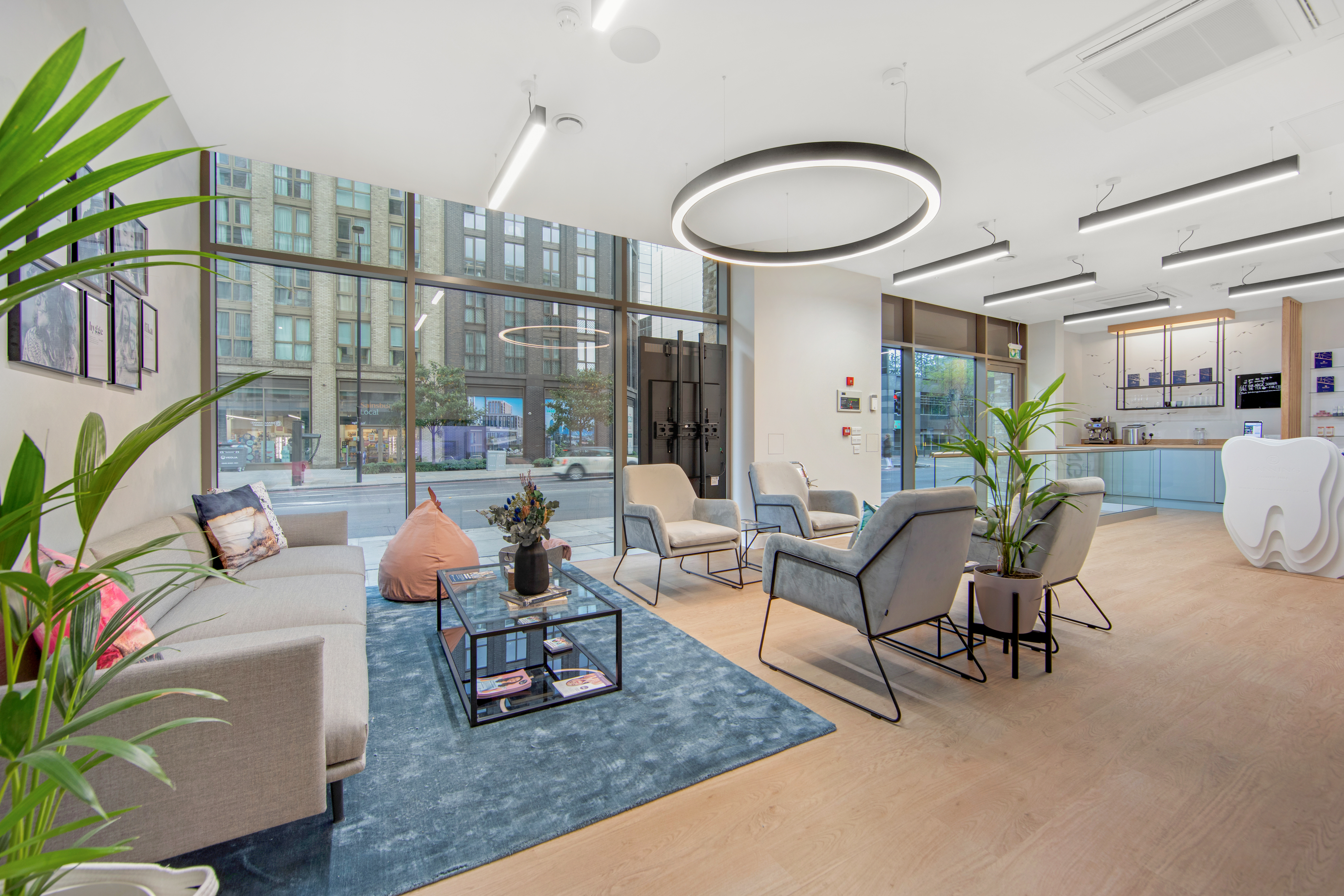
Clients often judge a business by the environment they walk into. An organised, thoughtfully designed workplace communicates professionalism, stability and attention to detail. Employees also benefit from spaces that support concentration, collaboration, and well-being, leading to a more positive work culture. For example, simple decisions such as creating quieter areas for focused work, providing comfortable meeting spaces and ensuring visitors can easily navigate the office all contribute to a stronger overall experience.


  • Healthcare Environments

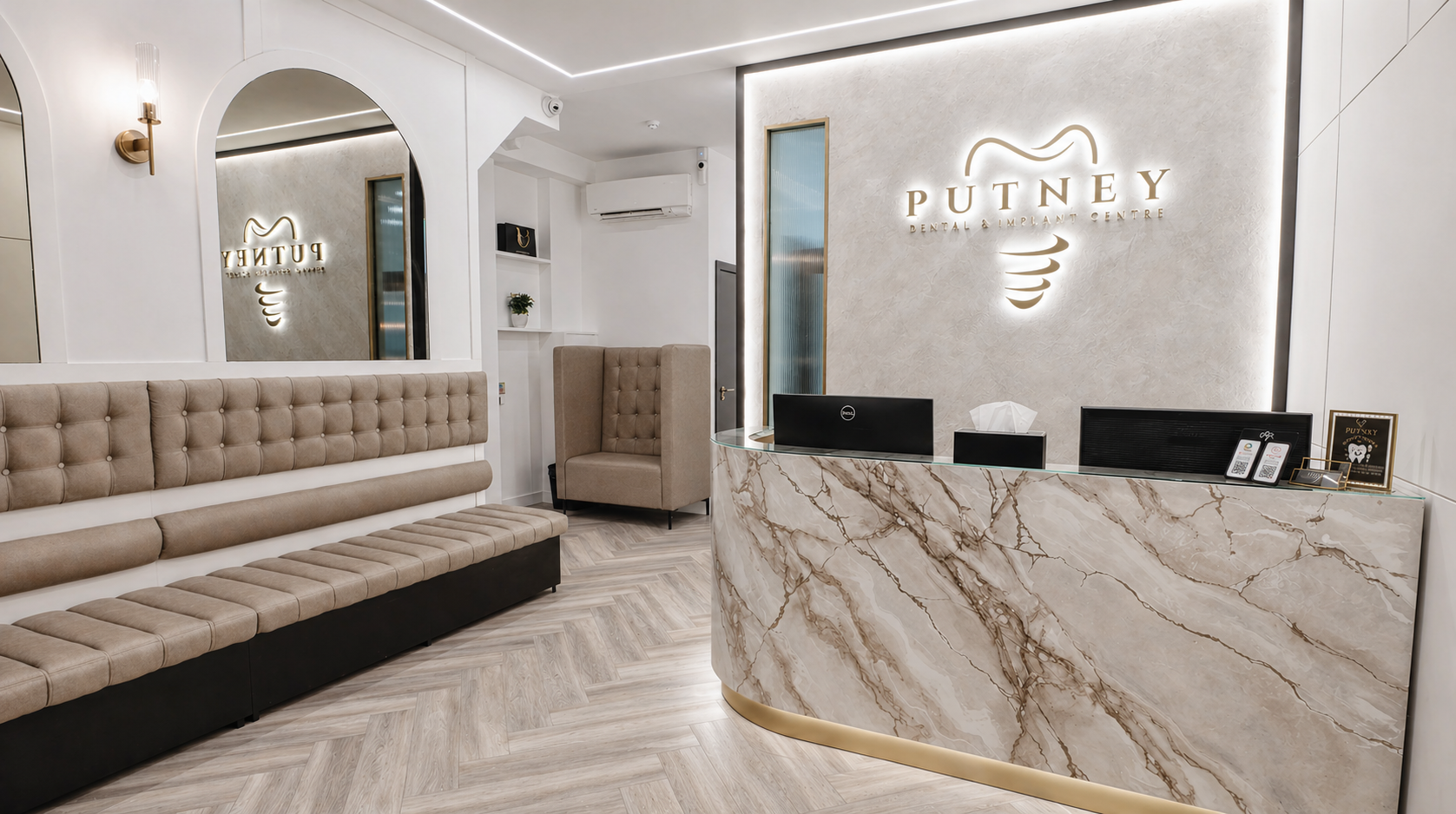
Healthcare spaces carry an additional responsibility. Patients are often arriving feeling anxious or uncertain. Their experience begins well before they enter the treatment room. Natural lighting, clear circulation routes, calming waiting areas and thoughtful privacy measures can all help reduce stress and create reassurance. Even something as simple as knowing exactly where to check in removes unnecessary uncertainty during what may already be a stressful appointment.


  • Luxury Residential Spaces

Trust also matters in the home. Luxury isn't simply about premium materials or impressive finishes. It is about creating an environment that feels effortless to live in. Well-planned storage, intuitive layouts, balanced lighting and carefully considered proportions all contribute to a home that supports everyday life rather than complicating it. The result is a space that continues to perform long after the excitement of moving in has passed.


The Small Design Decisions That Make the Biggest Difference


People rarely notice individual design features in isolation. Instead, they experience the overall feeling created by hundreds of carefully considered decisions. Some of the most influential include:


  • Clear and intuitive layouts that reduce confusion.
  • Comfortable lighting that supports different activities throughout the day.
  • Good acoustic design that minimises unnecessary noise.
  • Quality materials that communicate durability and attention to detail.
  • Spaces that feel accessible, welcoming and easy to navigate.
  • Furniture and layouts are designed around how people naturally move and interact.


None of these elements is particularly dramatic on its own. Together, however, they create an environment that feels calm, capable and trustworthy.


Great Design Removes Friction


One of the clearest indicators of successful design is that people don't have to think about it.


Visitors know where to go.


Employees can focus on their work instead of working around the building.


Patients feel reassured rather than overwhelmed.


Families move naturally through their homes without constantly adapting to awkward layouts.


Great interior architecture quietly removes obstacles from everyday life. When a space works exactly as people need it to, confidence grows naturally.
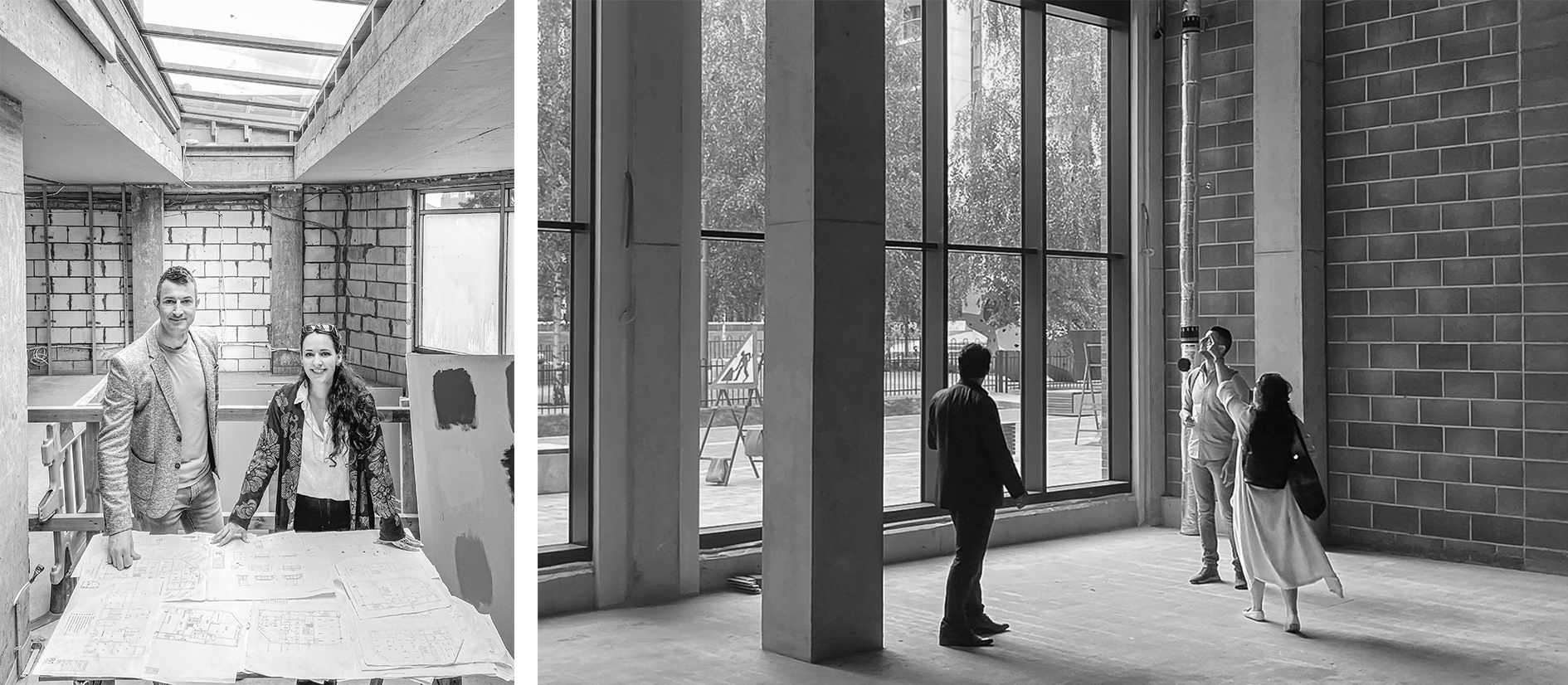



Designing Around People Creates Better Outcomes

At Remarcable Design, every project begins by understanding the people who will ultimately use the space. Rather than starting with finishes or furniture, we begin by asking practical questions.

How will people move through the building? What challenges do they experience today? What does the business need to achieve over the next five or ten years? How can the environment support wellbeing, productivity and long-term value?

These conversations shape every design decision that follows. The result is not simply a space that looks exceptional, but one that performs exceptionally too.


Trust Is Designed, Not Decorated

Successful spaces don't earn trust because they're expensive. They earn trust because every detail has been carefully considered.

When people feel welcomed, comfortable and confident from the moment they arrive, the space is already doing part of its job.

That's the difference between decorating a building and designing an environment that genuinely improves people's experience of it. Because the most successful spaces don't just impress people; they give them confidence before a single word is spoken.

Good Reads

Design

The Real Reason London Fit-Outs Run Late (And How to Stay on Schedule)

Delays in London property projects aren’t just inconvenient; they’re expensive. From lost revenue to extended timelines, poor coordination among architects, contractors, and consultants creates hidden costs that many owners underestimate. This article explores why traditional project structures lead to “timeline creep” and how a turnkey approach eliminates risk by providing a single point of accountability.

Design

The London Design Reset: Overcoming Decision Fatigue and Designing for Longevity.

Whether you are a clinic owner looking to optimise patient flow, a co-working space owner planning a commercial refurbishment, or a homeowner seeking a bespoke sanctuary, the focus has shifted from winter hibernation to growth and restoration. This month, we’re addressing the two interconnected issues facing London’s high-end property owners today.

Design

The Unseen Impact: Fabrics That Define Space, Safety, and Style

Whether you're furnishing a bustling commercial office, a serene healthcare facility, or creating a welcoming atmosphere in a private home, understanding the nuanced impact of different materials is crucial for crafting truly effective and memorable environments.

Design

What Are the Main Building Fit-Out Categories and Why Do They Matter?

When embarking on a new commercial building project or revamping an existing one, the term "fit-out" will inevitably surface. At its core, a building fit-out involves transforming the interior of a building to make it suitable for its intended use. Whether it's a bustling office, cutting-edge healthcare facility, or a welcoming retail space, the fit-out brings the design vision to life.

Design

First Impressions Matter: A Comprehensive Guide to Branding Packs

In today's competitive market, a strong brand identity is more crucial than ever. Whether you're a bustling hospital, a cosy medical practice, or a vibrant commercial space, your brand is the foundation for building relationships with your clients and the community.

Design

Aligning Smiles with Sustainability: A Patient-Centric, Planet-Friendly Approach

Recognising the need to evolve beyond aesthetics and address the growing importance of recyclable practices, Remarcable Design partnered with Banning Dental on a groundbreaking project. This first-of-its-kind clinical art installation enhances patient engagement while tackling the crucial issue of environmental sustainability, demonstrating a patient-centric, planet-friendly approach.

Design

A Sensory, Sustainable, and Earthy Approach: 2025 Design Trends

Colour is everywhere. Anywhere you look colour exists either consciously or subconsciously and its uses are more impactful to us than we think. Colour can be used to make a statement, create an atmosphere, and positively or negatively affect our moods.

Design

3 Tailored Design Solutions that Make Your Workspace Stand Out

The way we work is changing, particularly in today's competitive landscape. Gone are the days of cookie-cutter spaces. First impressions now matter more than ever, and your workspace is no exception, extending far beyond the handshake. Your interior choices are a powerful tool, silently shaping client interactions, employee morale, and your overall brand identity.

Design

Pros and Cons of Working with an Interior Design Company

In today's competitive landscape, strong interior design is no longer a luxury - it's a necessity. This is because a well-designed space can be the difference between success and failure. But for many businesses, the in-house resources to create exceptional designs are not there. That's where interior design companies come in.

Design

Wellness, Harmony, Personality: Design Trends 2024

Forget the rigidity of minimalism and the din of maximalism. 2024 whispers a softer, bolder design language. Imagine spaces that embrace your unique rhythm, sparking joy, soothing your soul, and celebrating meaningful style.

Design

Five ways to cultivate sustainability this holiday season

Like our designs that are rooted in nature and wellbeing as well as economic principles that make sure our clients increase their bottom line, we believe it's important to be both practical and healthy. We know... it's much easier said than done. Here's how we suggest you can blend both over the festivities this holiday season, in ways that are far from unattainable.

Design

Engaging Dentistry Design like you've never seen before: the Craft behind the Magic

The question on the table was ‘How can we help showcase dental aligners in a way that makes them approachable, yet remain on-brand with Banning’s practice quality and interiors?’ As the top Interior Architecture and Design firm in London for Healthcare Spaces that are strategically crafted to outperform the competition, we were excited to answer it with a one-of-a-kind art installation that we can now share.

Design

A Tenancy Maintenance Guide: Your 3 Keys to Keeping Your Business Running Smoothly

We understand the excitement (and stress) of running a successful business, and all the risks that come with it. To say that maintaining a business can feel like a constant juggling act would be an understatement; managing customers, boosting your marketing, retaining your staff, and chasing ambitious goals are all in the mix, and usually at the same time. Here's the keys to keeping it all together...

Design

New Tenancy Holders; jot down these considerations now or beware the costs

With years of experience in the field, experiencing the best and most ideal of spaces, as well as the ones we are disappointed to see go so poorly, our team is happy to share the know-how you need to help protect your wallets, fuel your progression, and most importantly, help you take your vision forward with as little hiccups as possible.

Design

Colour Palettes for Increased Performance and Wellbeing: 2023 Design Trends You Can't Miss

As people seem to long for a return to a more natural, human-centric way of life with a sense of community and unity, we believe as leaders we must increase our awareness of self, others, and our environment to come together in unity and find a balance. As design has a great impact on our emotions and well-being, utilising impactful design elements like colour can help us achieve this.

Design

Strategising Wellbeing in Workplace Design

‘This January felt different, the motivation is not there; work and wellbeing is falling behind.’ This feedback got us thinking… has the workforce ignored wellbeing for too long? Begin strategising with these pinpointed key areas that can be approached individually or combined in a plan to help boost wellbeing in your workspace.

Design

Fortes Case Study

Bespoke is our signature styling, in this recent case study for Fortes Hair & Skin Clinic we break down the importance of bespoke elements and how they can be utilised as brand messaging and unique selling points.

Design

Colour Psychology - Think Pink!

Having a deeper understanding of the colour psychology behind the colour pink and how it can best be used in commercial and healthcare interior design.

Design

Homework Space Case Study

Understanding the process of designing a successful co-working space, what to consider and what design elements are a must to capture the brand identity, message and concept.

Design

Circadian Rhythm in Design

Understanding what our internal circadian rhythm is and how it affects our wellbeing to know how we can incorporate circadian health within commercial interior design to maintain optimal levels of productivity.

Design

2D vs 3D Space Planning

Space plans are a fundamental element of any interior design process; they have great advantages in providing an accurate visualisation of the exact dimensions of the intended physical design of a space. Floor Plans can be made on both 2D and 3D bases providing different results which has been broken down in simple format for your understanding.

Design

The Importance of Detail throughout Design

Expanding far beyond aesthetics, we at Remarcable mean a method of expression that communicates a story through strategy carefully tailored to magnify the micro details and fully optimize their attributes’ capacity at creating a long-lasting impression in a single short interaction and it is all in the details.

Design

Co-working, Hybrid Model, WFH what is best for my company? pros and cons

With so many work models out there it can be hard to decide which one works best for your company as there is no ‘one size, fits all’ when it comes to office space to match your company values, size, and growth. We have broken down the pros and cons to co-working space models to help you best decide.

Design

How to put patients at ease and add value to your private clinic

There is a lot of fear at the moment around our health due to the pandemic and people are avoiding booking their dentist checkups. We share with you some ways you can ensure the safety of your clinic and reassure your patient's safety to return back to their overdue appointments.

Design

How can your space design set you apart from your competitors?

Commercial interior design is changing, we are in an age where technology and design innovations are booming and our environments need to keep up with the trends. We have filtered together three main factors in design that will set your company apart from its competitors; because first impressions are lasting impressions.

Design

Guide to maintaining a good work environment

With over 20 years of experience in office fit outs and maintenance we have listed 6 quick and easy tips for you to consider in maintaining your office environment and equipment.

Design

How to make meetings more bearable

Reimagining the idea of attending and entering a meeting room through our 4 main focus areas in designing strategic office spaces that benefits our wellbeing.

Design

Remarcable’s Artsy Take On Dentistry

An in depth view of our thoughts and processes for designing a commissioned project centred around wellbeing and innovation within dentistry design.

Design

Work Rest Replenish Perform

The importance of break out areas in the workplace and how to best design these to meet our human needs of connecting with nature.