In the London property market, there is a hidden tax that few discuss until it is too late: The London Delay.
In a city of high-value real estate, every delay results in tangible losses: lost revenue, extended leases, and missed openings. Whether you are launching a healthcare clinic design in London, refreshing a boutique office in Soho, or settling into a luxury residence in Kensington, you are racing against a clock that never stops.
For a private medical practice, a three-month delay does not just impact the build; it delays patient care, stalls staff onboarding, and evaporates revenue. In fact, a delayed clinic opening in London can cost tens of thousands per month in lost income and fixed overheads. In this environment, time isn't a metaphor; it is a direct drain on your reputation and your sanity.
Yet, despite the stakes, most owners fall into the same recurring nightmare: The Timeline Trap.
The Anatomy of "Timeline Creep"
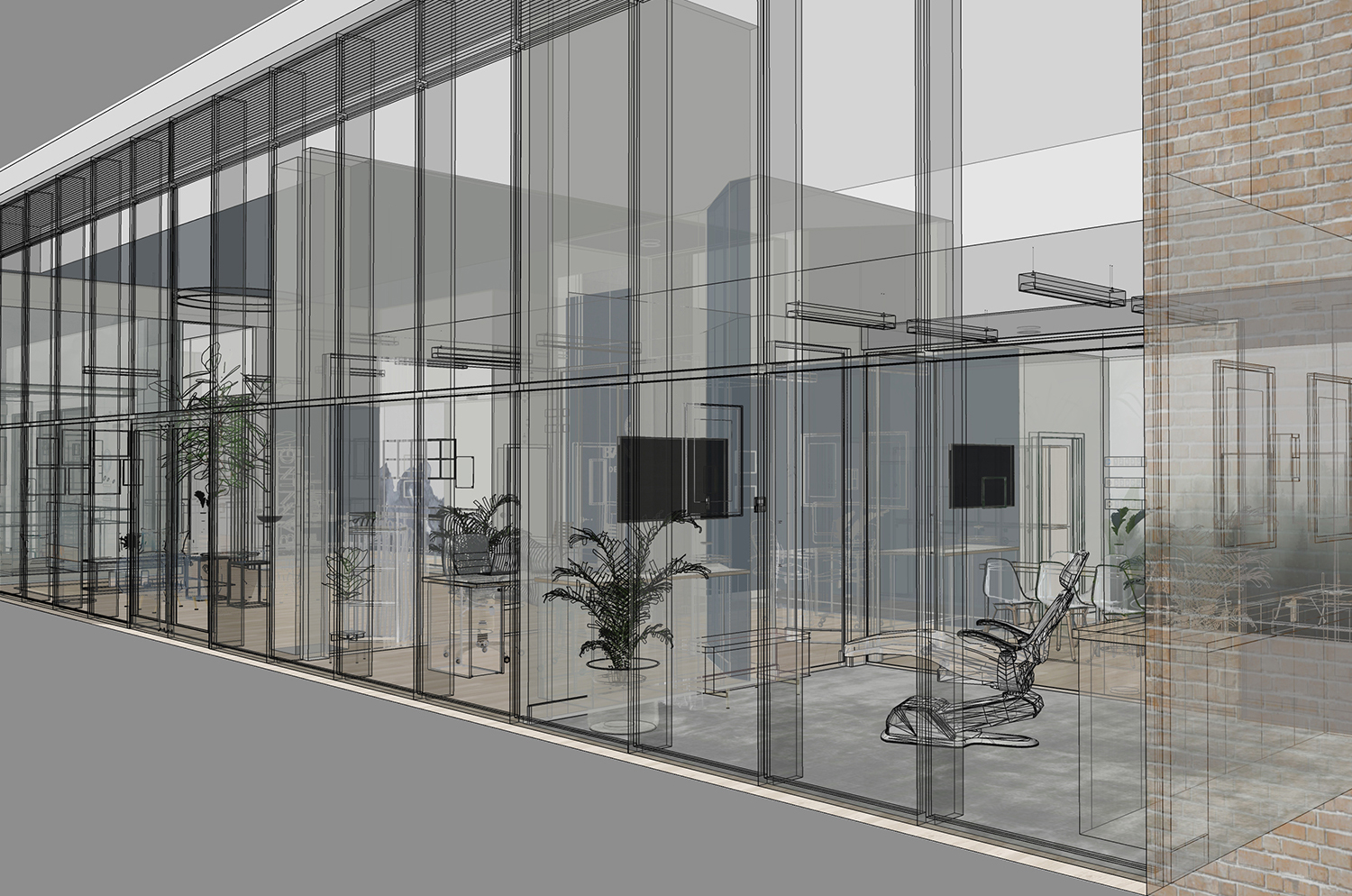
London fit-out delays aren't just minor inconveniences; they are a cascade of friction born from a fundamental flaw in how projects are built. Most property owners approach a build by assembling a patchwork of separate entities: an architect, a planning consultant, and several specialist subcontractors. On paper, this seems logical. In practice, it creates a Timeline Trap.
When you sit at the centre of this fragmented web, you are no longer just an owner: you are an accidental project manager. Every hour you spend managing logistics is an hour taken away from your core business, which stops the growth you are trying to build. This breakdown typically happens in three stages, following a predictable pattern:
-
The Communication Gap: When the designer's vision does not align with the contractor's technical constraints, the project halts. These "white spaces" between different teams lead to endless debates over solutions and, inevitably, additional fees.
-
The Planning Labyrinth: Navigating the rigid requirements of London boroughs requires more than just paperwork; it requires a proactive, strategic presence. Without it, projects can stall for months before the first nail is even driven.
-
The Budget Inflation: Poor project management leads to reactive spending. When schedules slip, labour costs rise, and materials are left subject to market volatility.
The Cost of Fragmentation
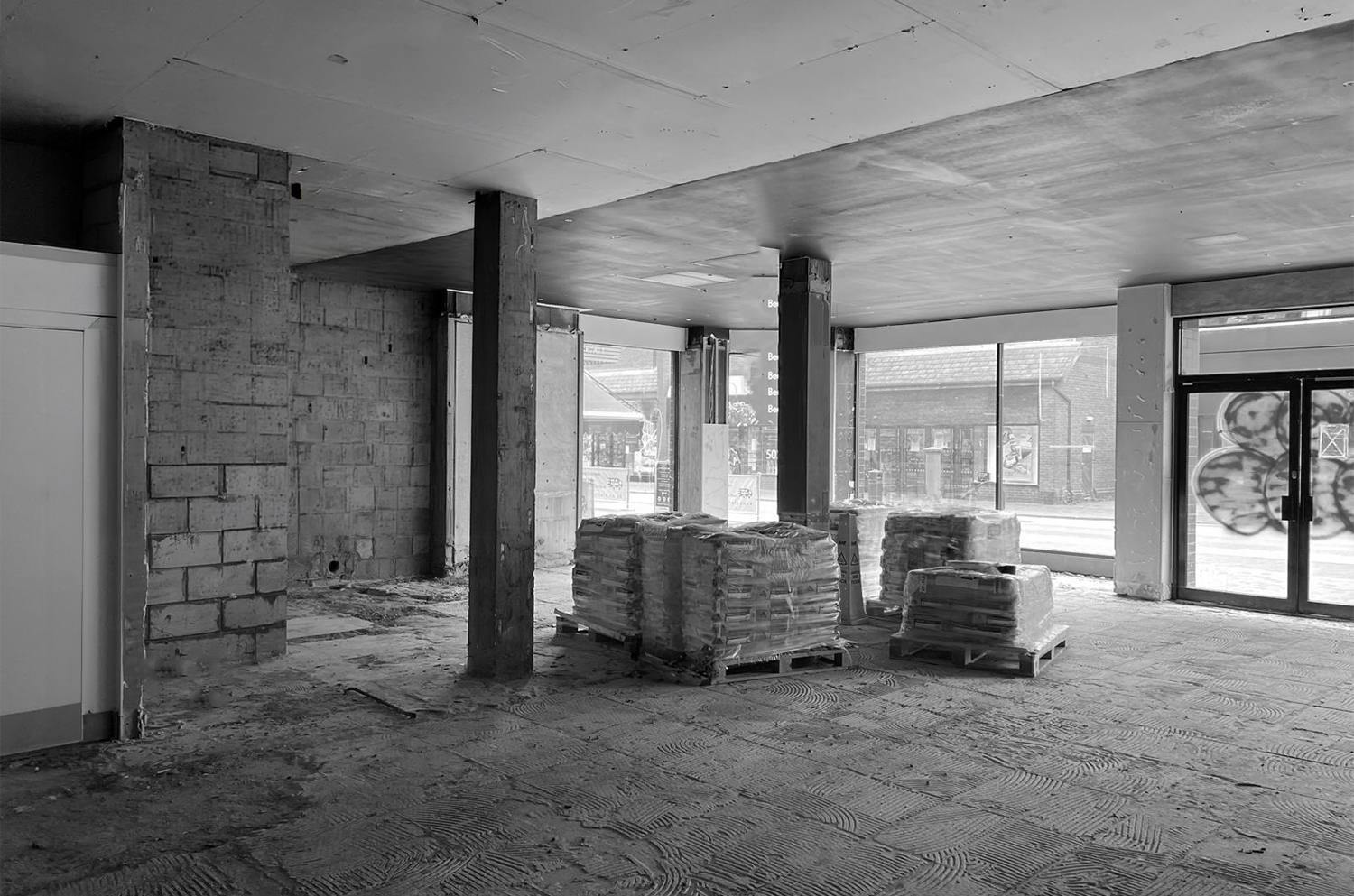
We have all heard the stories: a project that was supposed to take six months stretches into a year. For a commercial owner, this represents half a year of evaporated revenue and overheads paid on an empty shell. For a residential owner, it means months of living out of suitcases and the psychological toll of a home that remains a "site" rather than a sanctuary.
A "six-month delay" might sound manageable on paper, but in reality, the anxiety of "not knowing" when the keys will finally be in your hand is a price no one should have to pay. Under the traditional model, you aren't just building a property, you're managing chaos.
The Management Gap: The "Point of Chaos"
Managing a London project quickly becomes a second full-time job, except it is not the one they are getting paid for. The true pain point isn't the construction itself; it is the Management Gap.
The anxiety of a project stems from what we call the "Point of Chaos," where three distinct pressures collide to overwhelm even the most organised owner:
-
Navigating Planning: Complex local regulations and borough-specific nuances can halt a project before the first nail is driven. Without expert navigation, you are at the mercy of a system that favours the prepared.
-
The Contractor Carousel: This is the constant, draining stress of acting as the middleman. When you are the one forced to mediate between conflicting schedules and shifting responsibilities, the project loses its momentum.
-
Inflated Budgets: Most cost overruns in London don't stem from luxury material choices. They happen because of poor coordination. Budgets balloon when project management isn't synchronised with the design intent, leading to reactive spending and expensive fixes.
Ultimately, the "Management Gap" forces you to sacrifice your own time and peace of mind to bridge the distance between a fragmented team. It is a burden that transforms a visionary project into an exhausting obligation.

The Remarcable Fix: Precision via Turnkey
At Remarcable, we have spent over 20 years refining the antidote to the London Delay. As specialists in healthcare environments and high-end interiors, we believe design should be delivered with the same precision as the industries we serve. We do not just "manage" projects; we deliver them through a Strategic Turnkey Approach: a model designed to act as a protective shield for our clients.
What is the Turnkey Advantage?
It means one team, one timeline, and full accountability from start to finish. We take total accountability from the shell-and-core stage all the way to the final styling of the space, providing a single point of contact and absolute peace of mind.
Protecting the Vision and the Budget
In traditional structures, owners are often forced to choose between design integrity and financial reality. Our turnkey model removes this conflict. Because we control both procurement and execution, we protect your budget as fiercely as we protect the aesthetic vision. By eliminating "middleman friction," we prevent the reactive spending and markups that plague fragmented projects.
The Intersection of Empathy and Architecture
A turnkey solution is only as effective as the understanding behind it. We recognise that behind every blueprint is a human need; a business that must open its doors or a family that needs a sanctuary. We start by understanding the why before we execute the what, ensuring every technical decision serves the people who will actually inhabit the space.
Seamless Delivery: A Commitment, Not an Estimate
We handle the friction: the planning permissions, the technical integration, and the complex logistics, with proactive mitigation. Our two decades of expertise allow us to anticipate hurdles before they hit the site. When we provide a commercial interior design London timeline, it is not a hopeful estimate; it is a commitment.
The Turnkey Standard: A Necessary Shift
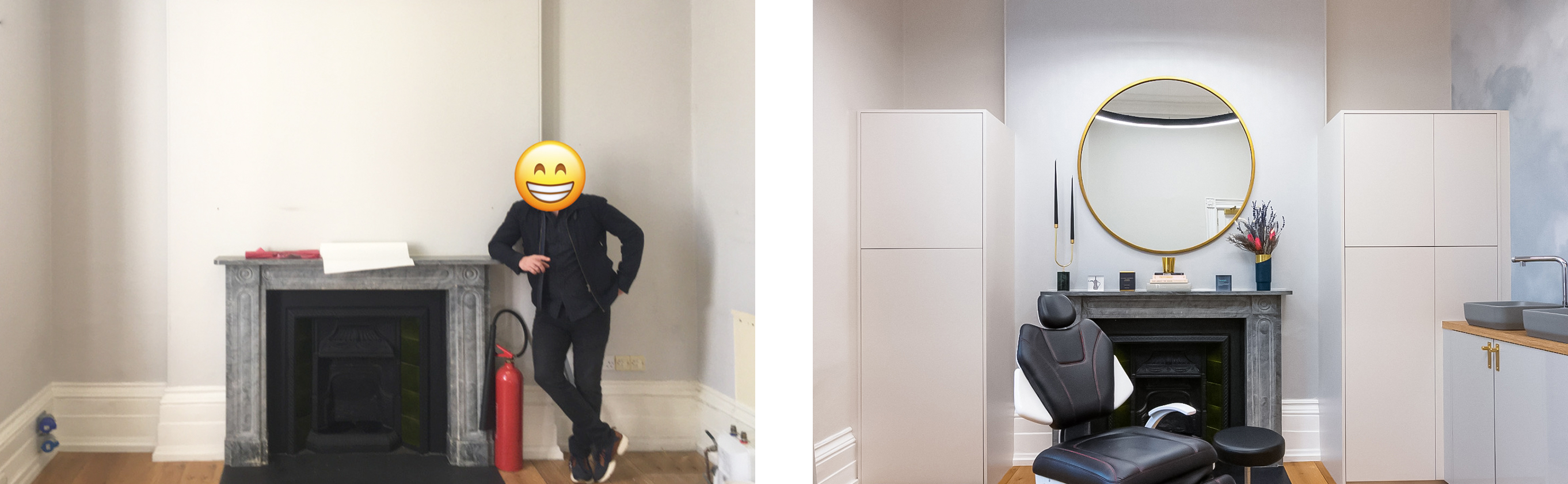
To escape the "Timeline Trap," property owners must shift from a fragmented model to a unified one. Here is how we redefine the standard:
-
From Fragmented Chaos to a Single Point of Contact. Instead of managing 5+ different parties, you work with one accountable partner. Communication is streamlined, clear, and focused on the finish line.
-
From Reactive Delays to Proactive Mitigation. We don't wait for problems to arise on-site. We use our 20 years of experience to anticipate planning and technical hurdles before they ever impact your schedule.
-
From Compromised Designs to Financial Stewardship. Traditional builds often result in design cuts due to budget mismanagement. We design to your budget from day one, ensuring the final result matches your original vision.
-
From "Timeline Creep" to Precision. While the market has accepted delays as a norm, we treat deadlines as a firm commitment. We respect that in London, every day lost is revenue or peace of mind that you cannot recover.
From Vision to Reality, Seamlessly
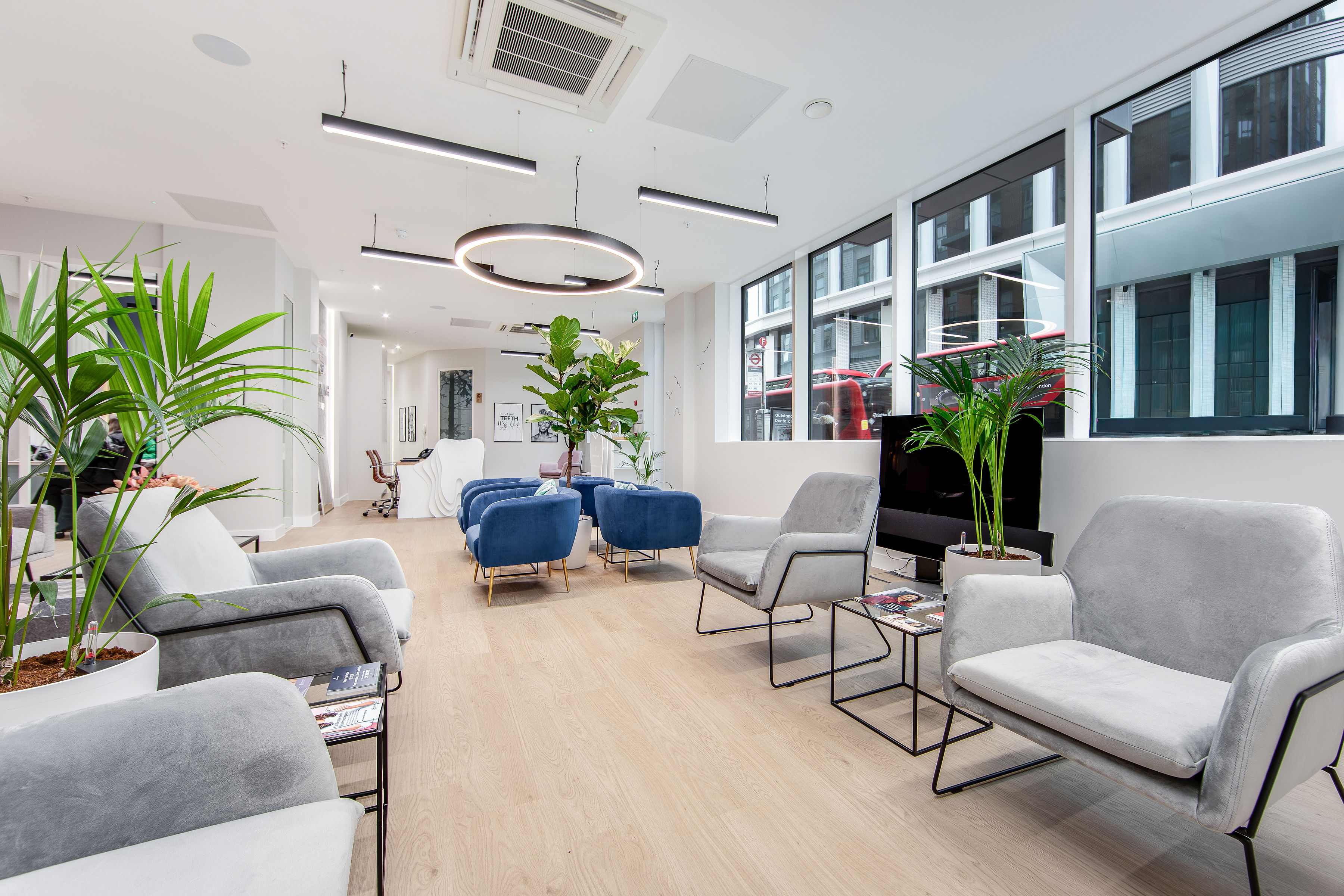
In a market as competitive as London, a turnkey interior design approach isn't a luxury; it is a non-negotiable necessity. It is the definitive line between a project that haunts your schedule and one that launches your success.
Your project should move forward with clarity, not constant firefighting. Our expertise allows us to navigate the complexities of London property with a level of precision that transforms the "nightmare" of renovation into a masterclass in efficiency. By choosing a design partner who understands the mechanical necessity of a deadline, you aren't just investing in a high-end design; you are buying back your time.
Conclusion
London property is too valuable to be left to the mercy of "timeline creep." If you are ready to bypass the chaos and move straight to the finish line, the solution is not adding more contractors to the web; it is choosing one partner who takes total accountability for the whole.
Your vision deserves a seamless transition, and your time deserves to be respected. Don't let your next project fall into the Timeline Trap.
Are you planning a London project this year? Contact Remarcable today to discover how our turnkey approach can safeguard your investment, your timeline, and your peace of mind.