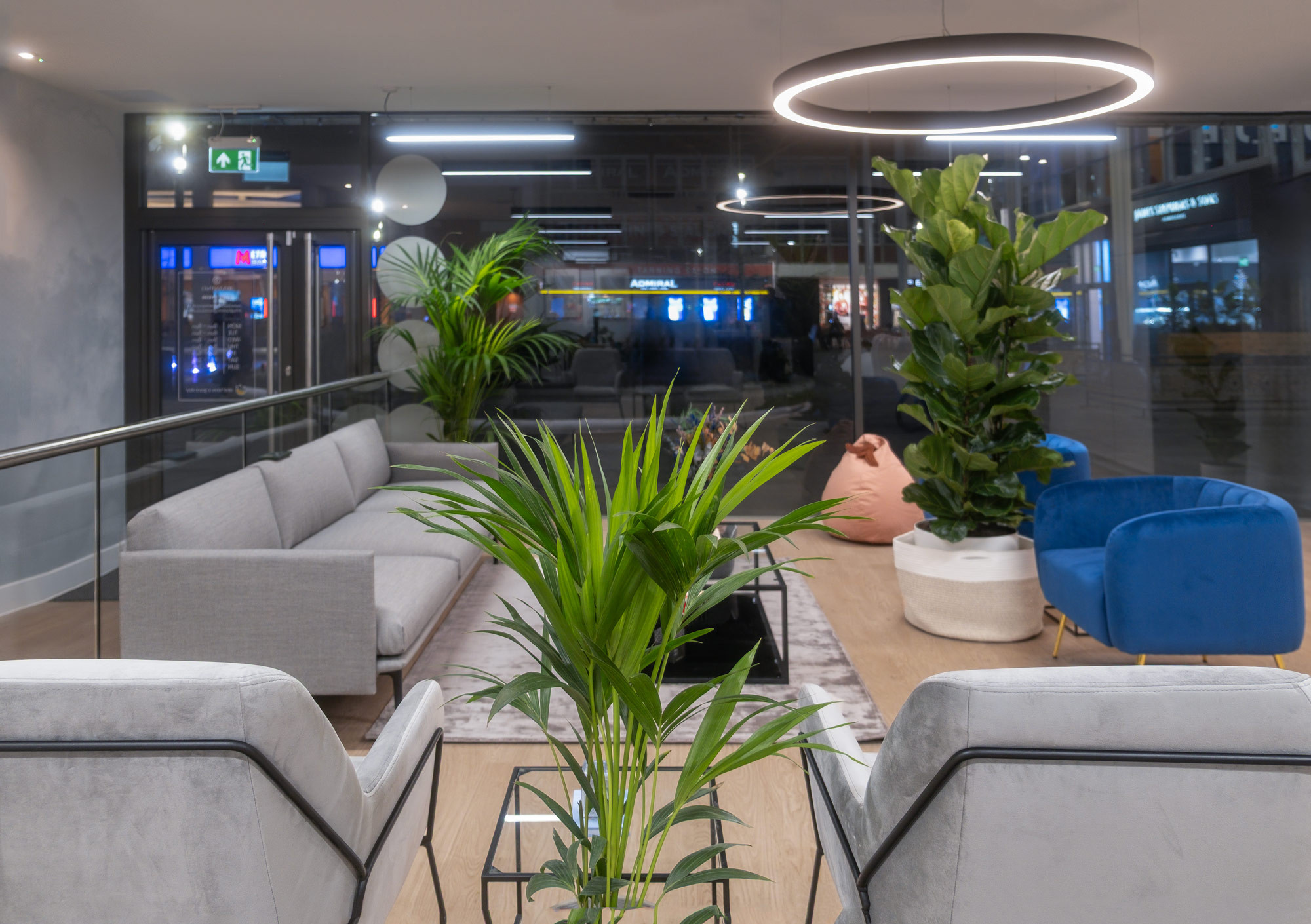
Imagine approaching a clinic at 4 pm on a November afternoon. It is getting dark, the temperature has dropped, and you've come in from the cold, perhaps straight from work.
Can you easily recognise the entrance? Does the building look welcoming from the street? And once you step inside, does the space make you feel comfortable? Is there somewhere to put your coat or bag while you wait?
Now imagine arriving at the same clinic at 10 am in June. Natural daylight fills the room, the temperature outside is warmer, and the space may feel quite different.
This is the thinking behind the 4 pm test. A space should not only work when the sun is shining and everything looks its best. It needs to feel comfortable at different times of day and under the conditions in which people actually use it.
Winter makes us more conscious of the things that contribute to that comfort: warmth, shelter, lighting, and the textures around us. Nature offers plenty of inspiration, but the real question is how we bring those qualities into the spaces people use every day.
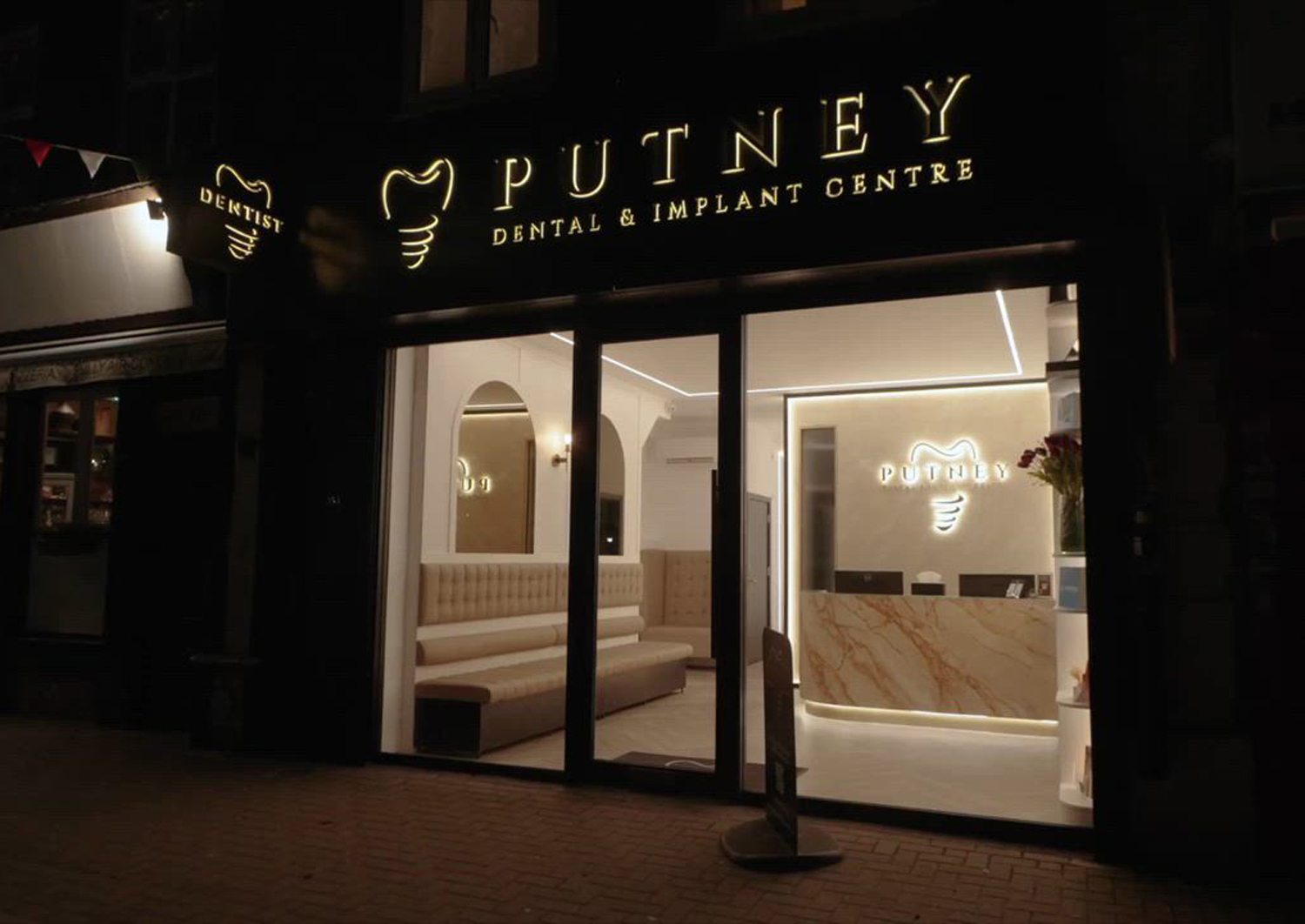
An illuminated clinic entrance against the darkness outside.
The Welcome Starts at the Door
For someone arriving at a clinic on a dark winter afternoon, the experience starts before they even step inside.
Is the entrance easy to identify? Can they see the interior? Does the building look welcoming from the street?
These are questions worth considering when designing a clinic frontage. At Remarcable, the aim is to make the first encounter with a space feel clear and inviting, rather than leaving someone unsure where to go or what to expect.
An illuminated fascia sign, a largely glazed shopfront and a well-lit interior can work together to achieve this. The sign helps people identify the clinic against the darkness of the surrounding street. The glazing allows passers-by to see inside, while the interior lighting reveals glimpses of the environment beyond the entrance. For someone visiting for the first time, that view can offer a sense of what awaits them before they open the door.
Go behind the design
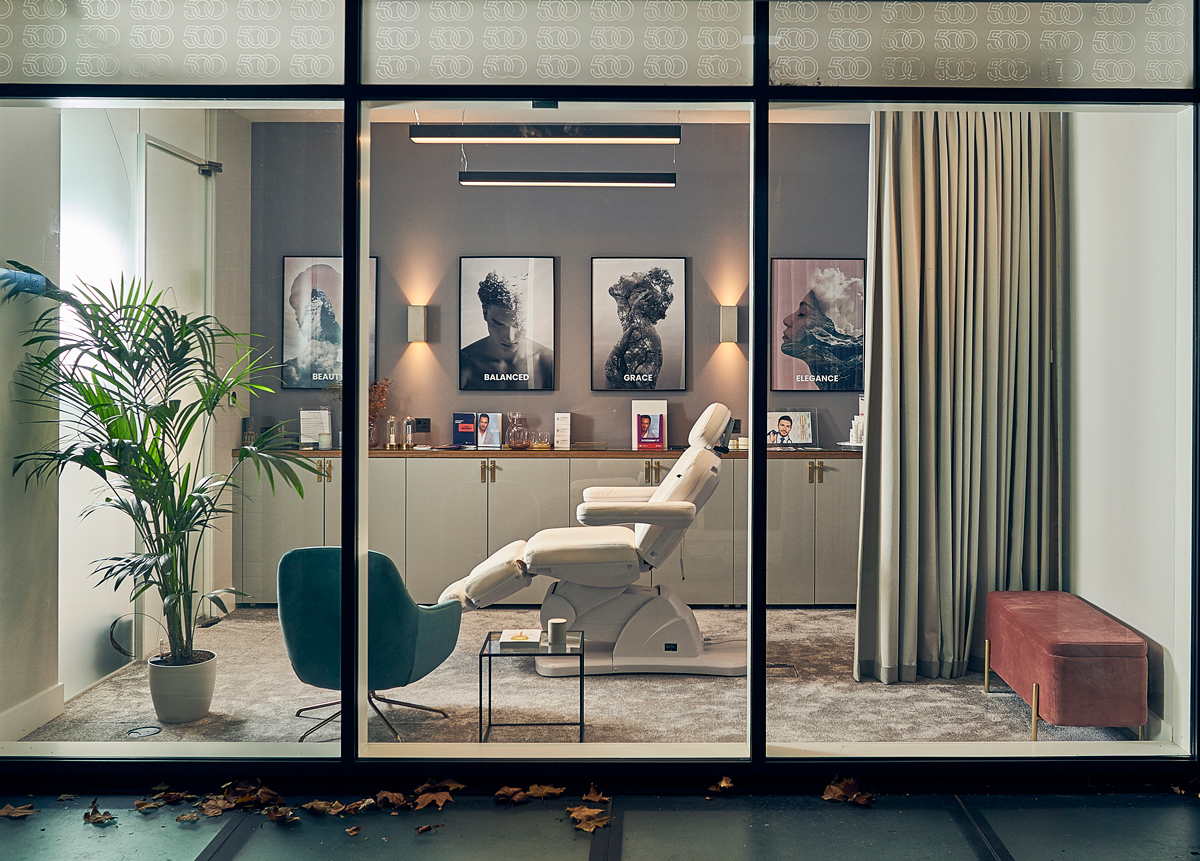
The Beauty Room in Chiswick project is one example of how thoughtful design decisions can shape the way people experience a space.
In our newsletter, we share more real decisions from Remarcable projects, why we made them and what they can teach you about making your own space feel more welcoming.
Sign up for the Remarcable newsletter
Inside, temperature becomes another consideration. Walking into a cold building after being outside is not the most welcoming start. A suitably specified heated air curtain above the entrance can help reduce the rush of cold air coming through the doorway. During summer, a system with a cooling function could offer a cooler flow of air instead.
These details are what we think of as nurture points. Every space offers opportunities to make clients feel appreciated and special. They do not have to be extravagant or expensive. Often, they are thoughtful decisions that show someone has considered the person using the space.
And the entrance is only the first opportunity.
The First Place People Settle
The room our visitor initially encounters is the waiting area. This is where their first experience of the interior really takes shape.
People have different preferences when it comes to waiting. Some may enjoy a central seat where they can see what's happening and feel part of the activity. Others might prefer a quieter spot towards the edge of the room, with a little more privacy.
A thoughtful arrangement can accommodate both, offering a choice of sociable seating and quieter places to settle. The aim isn't to assume what every visitor will prefer, but to give people some control over where they feel most comfortable.
The furniture, planting and materials all contribute to how the room feels. Timber, stone, wool, boucle and natural fabrics each bring a different quality to an interior. A soft upholstered chair, a tactile surface, or the warmth of timber can make somewhere feel less clinical and more comfortable to spend time in.
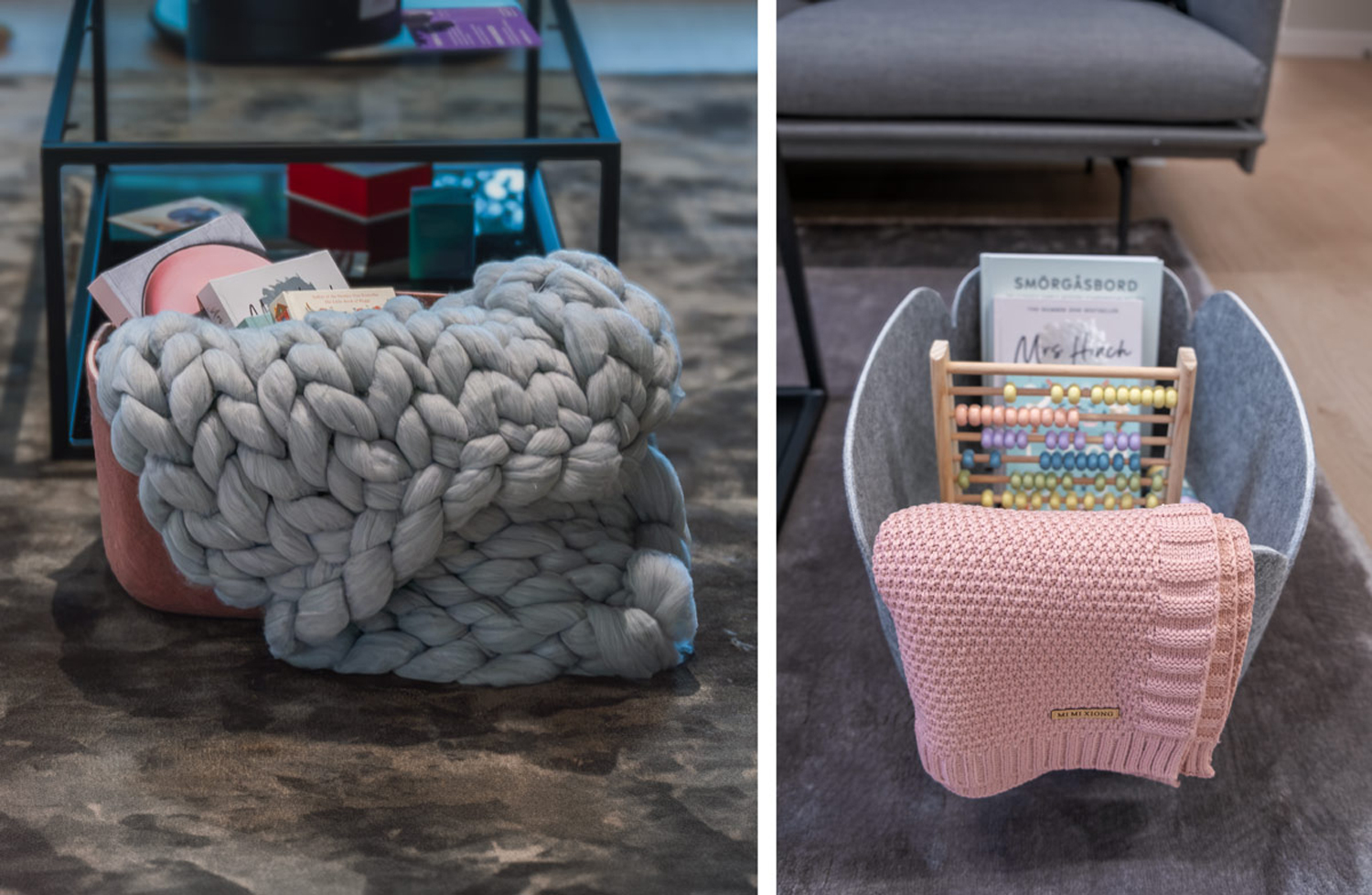
We experience these materials through touch as well as sight. We notice the feel of a chair, the softness of a cushion, and the room's temperature, particularly when we're sitting in one place for a while.
Smaller things matter too. Somewhere to put a coat or bag. A comfortable seat with enough space around it. Perhaps a hot drink offered while someone waits.
These may seem like minor considerations, but they can make a visit feel more thoughtful. Each is another opportunity to show someone that their needs have been considered.
What Happens When the Light Changes?
A waiting area can feel very different at 4 pm in November than at 10 am in June.
With shorter days, natural daylight fades earlier. Areas that feel bright in the morning may become darker by late afternoon. Is the artificial lighting comfortable? Are there areas that feel too stark or gloomy? Does the room still feel inviting when it's dark outside?
Winter landscapes offer a useful reminder that softer colours and natural textures can create a sense of calm without making an environment feel flat. Think of the contrast between bright snow, darker trees, and the deep blue-green water of a frozen winter landscape. Even in a predominantly pale setting, darker tones and natural variation add depth and interest.

Light matters just as much. The contrast between light and shadow, and the way daylight changes throughout the day, can influence the atmosphere of a room. The intention is not to recreate a winter landscape inside a clinic. It is to understand how
light, colour and texture work together, and to make sure the space continues to feel comfortable as conditions change.
Designing for How People Should Feel
By now, our visitor has come in from the cold and settled somewhere comfortable. They may not consciously notice every decision behind that experience, but those decisions have helped shape how they feel.
This is at the heart of Remarcable's Emotionally Comfortable Spaces philosophy.
When we start a project, we do not just ask what the client wants the interior to look like. We want to understand how they want people to feel when they use it. Should patients feel reassured? Should visitors feel welcomed and valued? Where might
someone need privacy? What could make waiting more comfortable?
These questions shape the decisions we make throughout a project. The entrance, the layout, the lighting, and the smallest details all contribute to the experience.
There is a connection we come back to often: Atmosphere influences emotion. Emotion influences outcome.
A thoughtfully designed waiting area will not remove every patient's anxiety, but it can help make the experience less daunting. A welcoming environment can also influence how someone remembers a business and whether they feel comfortable
returning.
The details matter because they are part of a much bigger experience. They help turn a room where someone waits into a space where someone feels considered.
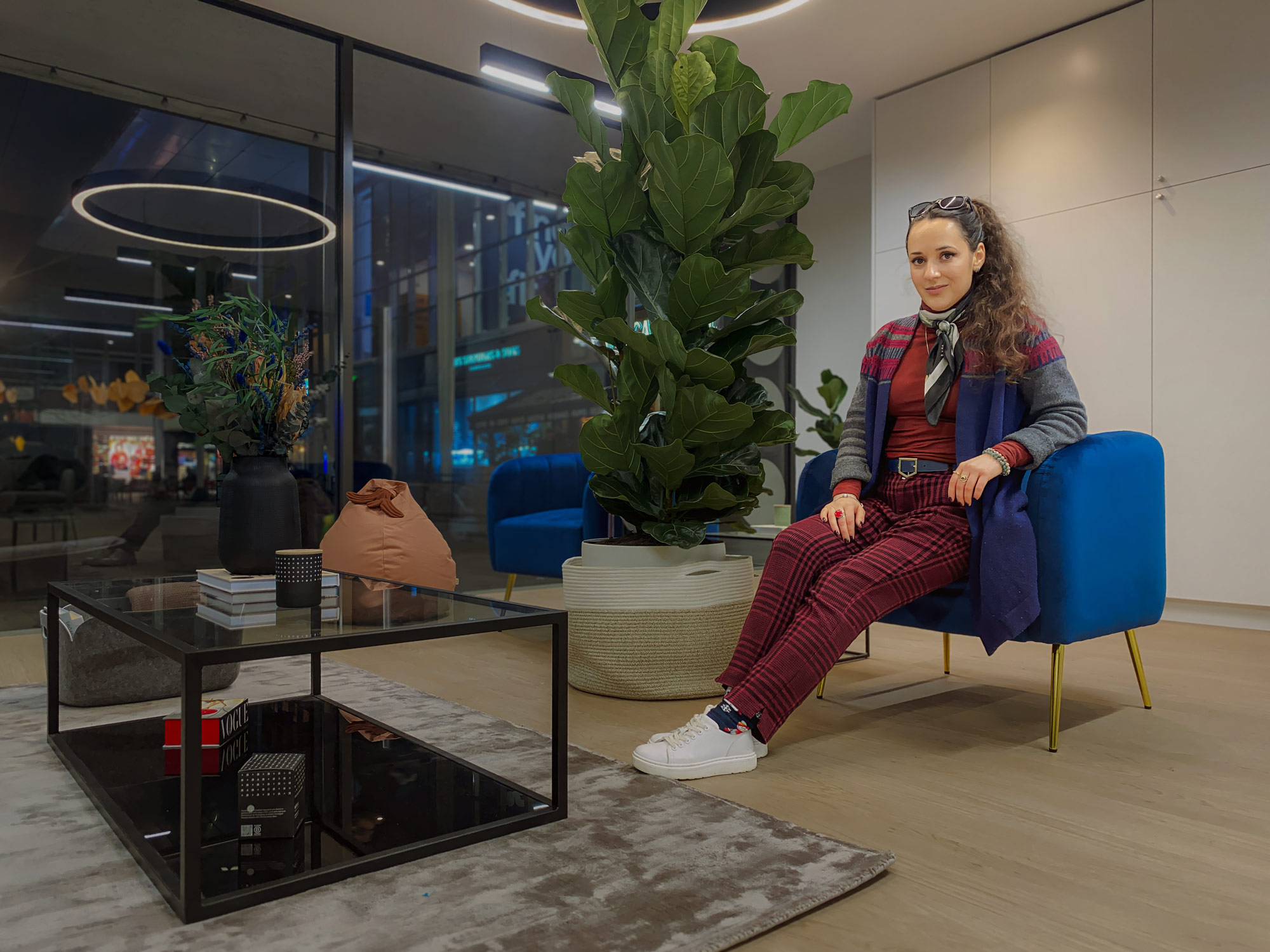
Would Your Space Pass the 4 pm Test?
Winter gives us a good reason to look at our spaces differently. The light changes, the temperature drops, and a room that feels welcoming in summer might reveal a few shortcomings as the days shorten.
So, take a look around your own clinic at 4 pm. Walk through it as one of your clients would, and consider three things:
-
Look at your entrance from the street. Can a first-time visitor recognise it easily after dark? Does it look welcoming, and can they get a sense of the environment inside?
-
Spend a few minutes in your waiting area. Is there a choice of places to sit? Is there somewhere to put a coat or bag? Does the room still feel comfortable when natural light fades?
-
Notice the smaller details. Is the lighting comfortable? Are there areas that feel cold, gloomy, or overlooked? What could make someone's visit a little more thoughtful?
Each is an opportunity to create a nurture point: a small but considered decision that helps someone feel appreciated and special.
How are you using your space to make your clients feel appreciated and special?
A space should do more than look good in a photograph or on a bright summer morning. It should make people feel welcome, comfortable, and considered whenever they walk through the door.
Want a second pair of eyes on your own 4 pm test?